Sign In
Shopping Cart
CLOSE
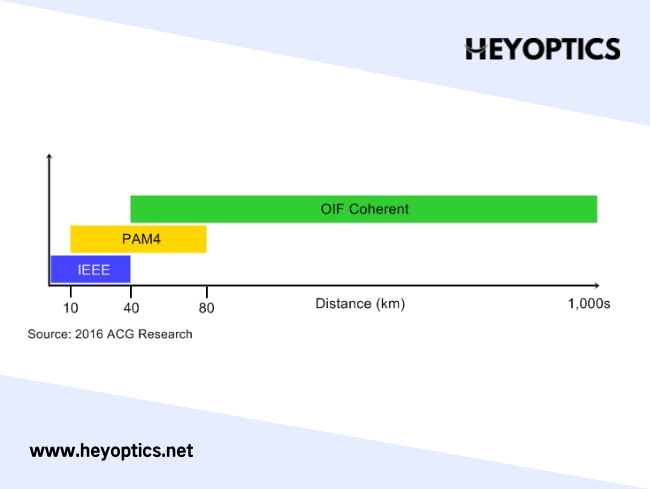
PAM4 optics and coherent optics are two of the industry-leading solutions that deliver more bandwidth and distance. When comparing PAM4 vs. coherent optical transceivers, it comes down to what features and benefits your network requires.
The 5G fiber cables should meet both current application and future development needs in the basic physical layer. The following are five types of optical fiber cables that address issues in 5G networks built to some degree.
The main reason why development speed of 100G fiber network faster than 40G is that the price of 100G network is lower than 40G, so the much lower LR4 modules will have a great future. Related product: 10G SFP-LR, see at the figure.
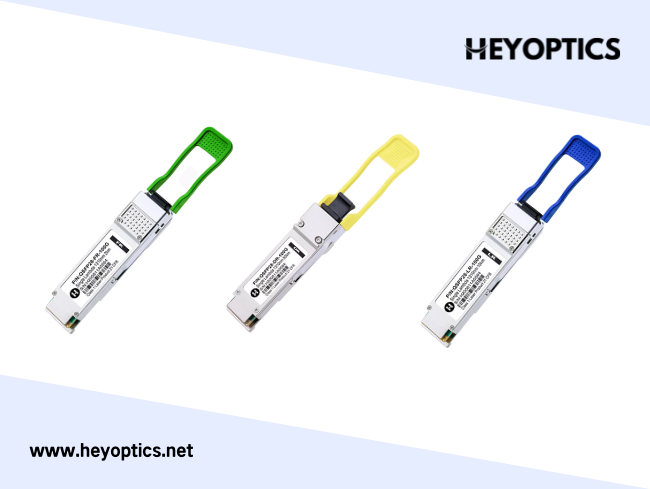
Under 1G transceiver, max transmission distance can reach as far as 160km, and 120km under 10G transceiver. However, under 40G QSFP+ transceiver, the max distance is only 30km using a QSFP+ ER transceiver, which is quite disappointing.
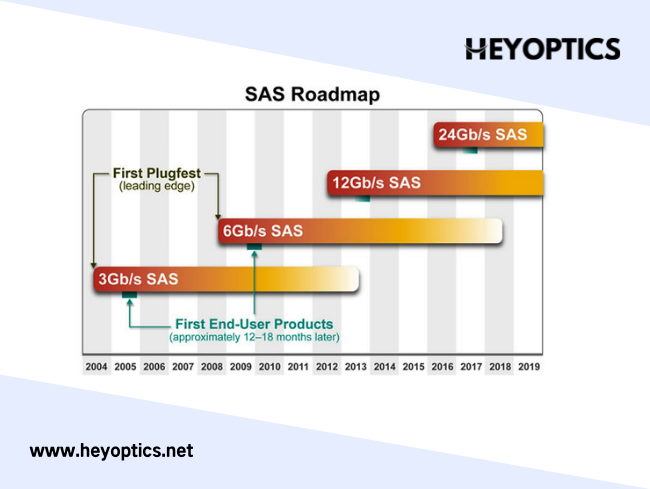
As we all know, Serial Attached SCSI(SAS) is created to overcome the insufficient of the old SCSI Parallel Interface. SAS has the feature of lower cost and higher performance, as well as better compliance with SATA,
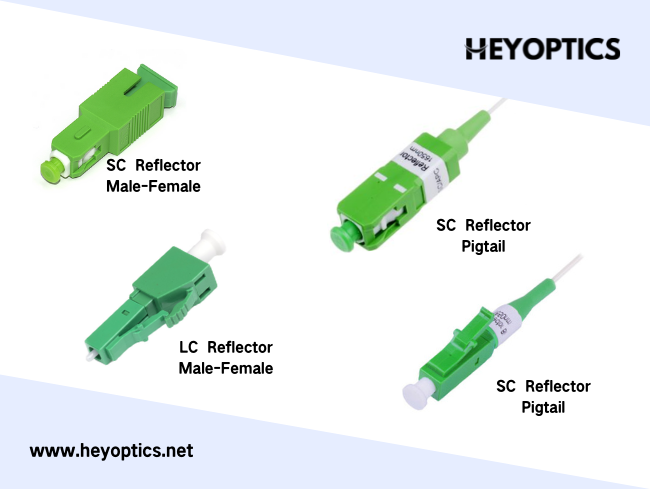
Fiber Bragg Grating (FBG) Reflectors are installed at an ONU to reflect 1650nm signals from an OTDR for line testing purposes from the OLT, while the working bands of the PON are transmitted normally.
ptical line protection system (olp) uses vacant optical fiber from different route to build a backup path. by real-time monitoring the power status in working fiber,
As a result, the price of optical modules and their associated costs account for a significant portion of data center operating expenses. Therefore, it is critical to choose the right transceiver.
DWDM, short for dense wavelength division multiplexing, refers to an optical multiplexing technology used to increase bandwidth over existing fiber networks.
Starting in 1995, formed by major telecommunications service providers and system vendors. The International Telecommunications Union (ITU) did further work, and standardized on two generations of PON.
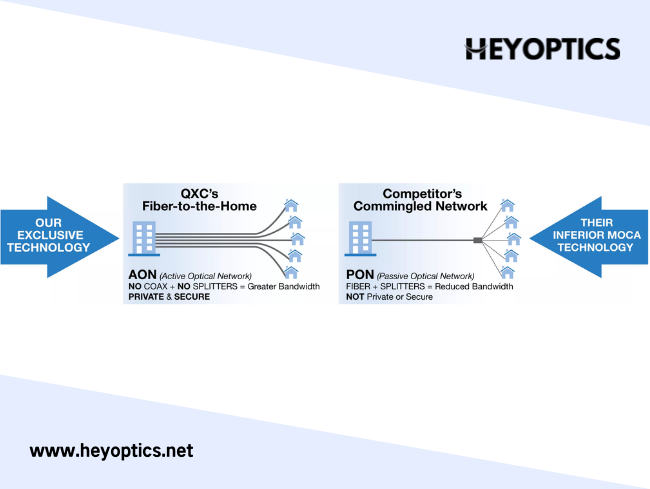
The deployment of FTTH (Fiber To The Home) access networks has come a long way before subscribers use optical fibers instead of copper lines to achieve broadband Internet access.
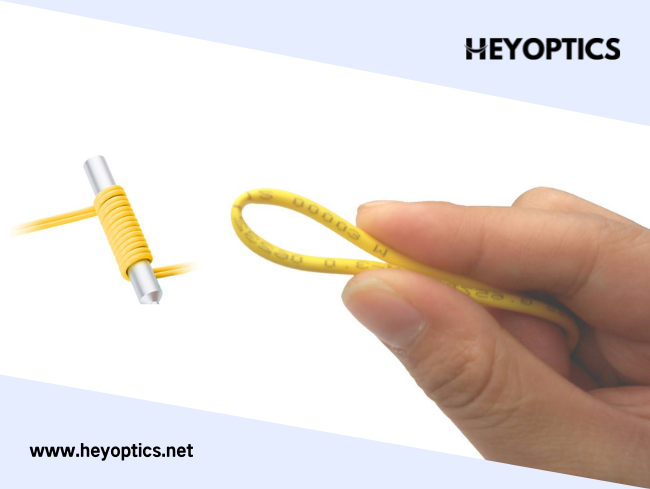
if one does bend a fiber cable, let’s say around a corner, would that harm the cable? Or even more importantly, would it affect the quality of the transmission?